
Monterey Park homes and their common repairs
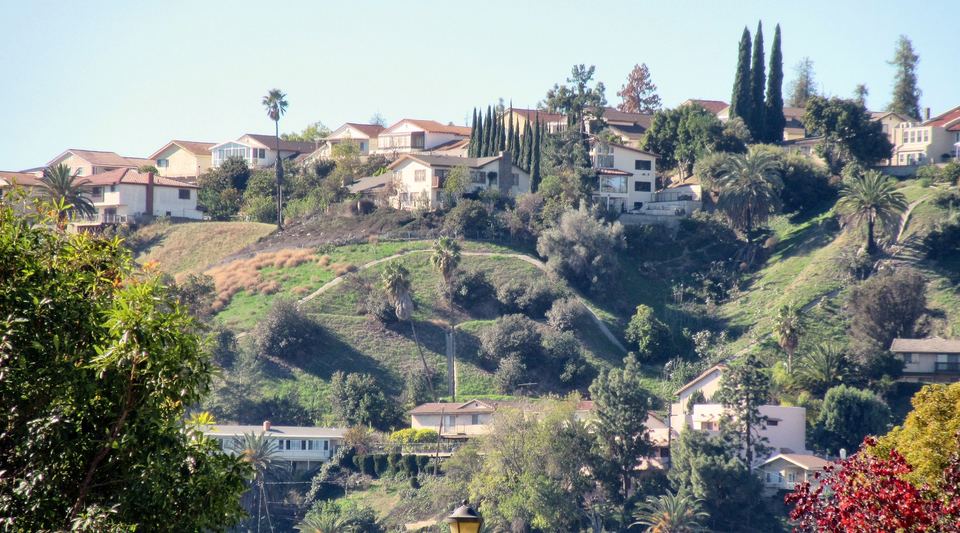
Most houses in Monterey Park were built in the twenty or so years after World War II, many of them on the hills. Here is a short history and the repairs that come up most in homes of that age.
How the city grew
.jpg)
A small city from 1916
Monterey Park voted to incorporate in May 1916, 455 to 33. The name came from the Monterey Hills, which were marked on an old map of the area. For its first few decades it stayed small: the 1940 census counted 8,531 people.
The postwar boom
That changed quickly after World War II. Subdivisions filled the middle of the city between the Garvey Hills and the Monterey Hills, and the population went from 20,395 in 1950 to 37,821 in 1960 and 49,166 in 1970. New parks followed the houses: Garvey Ranch Park in 1952, La Loma in 1953, Langley in 1954, Sunnyslopes in 1958, and Highlands and Edison Trails in 1965.
What that means for the houses
In the 2000 census, about 43 percent of Monterey Park's homes dated from 1940 to 1959 and another 20 percent from the 1960s. The Census Bureau's more recent estimates put the median year built at 1963. A little over half of the city's homes are detached single-family houses, from modest tract homes to hillside houses with views, such as the Rancho Monterey tract of the mid-1950s by architect Henry Charles Burge.
Common repairs in homes of that era
A house that is sixty or seventy years old has usually had some updates, but the same few problems come up again and again. Here is what to look for and what you can check yourself.
Sliding glass doors that drag
Sliding patio doors became a standard feature of postwar California houses, and many of the ones in Monterey Park have been opening onto the same back yard for decades. The rollers wear, the track fills with grit, and hillside houses that have settled a little can pull the frame out of square.
- How to spot it: A door you have to lean into, a grinding sound, or a latch that no longer lines up.
- Check it yourself: Vacuum and wipe the bottom track, then try the door again. If it still drags, the rollers are probably worn.
Doors · Sliding glass doors that grind, stick or will not lock · Torn, bent and missing window screens
Popcorn ceilings from the 1950s through the 1970s
Sprayed acoustic texture was a common ceiling finish in houses built in these decades, which covers much of Monterey Park. Some older texture contains asbestos, so it should be tested before anyone scrapes, sands or drills into it.
- How to spot it: A bumpy, cottage-cheese texture on ceilings, often yellowed or cracked near the corners.
- Check it yourself: Leave it alone until a sample has been tested by a lab. Do not scrape a patch to see what is under it.
Popcorn ceilings · Popcorn ceilings: test first, then remove or repair
Water pressure and old shutoff valves
With houses spread across hills and flats, water pressure differs from street to street. Original shutoff valves and supply lines from the 1950s and 1960s may also have sat untouched for decades.
- How to spot it: Banging pipes, a toilet that keeps refilling, faucets that drip, or a shutoff valve that will not turn.
- Check it yourself: A pressure gauge on an outdoor hose bib gives you a reading in a minute. Try each shutoff under the sinks and behind the toilets by hand.
Shutoff valves and pressure · Banging pipes and running toilets: checking your water pressure · Shutoff valves you can count on · Outdoor faucets that drip or will not shut off
Original mid-century bathroom tile
Many bathrooms from this era still have their original glazed tile in colors that are hard to match. The tile usually outlasts the grout and caulk around it.
- How to spot it: Cracked or missing grout, dark caulk lines at the tub, or a tile that sounds hollow when tapped.
- Check it yourself: Press on the tiles near the tub and the shower floor. Firm tile with tired grout is a regrout job. Loose tile or a soft wall needs a closer look.
Regrouting · Regrouting tired, cracked or stained tile · Fresh caulk for a cleaner, drier shower · Fixing a cracked or chipped tile without redoing the room
Older light fixtures and ceilings
Lighting in houses from the 1950s and 1960s was usually a single fixture per room, and some ceilings slope or have beams. Many owners now want brighter LED fixtures, recessed trims and better bathroom lighting.
- How to spot it: Yellowed glass shades, dim rooms, flickering fixtures or can lights with hot, old bulbs.
- Check it yourself: Note how many fixtures you want changed and whether any are on a dimmer or a sloped ceiling. Turn the breaker off before touching any fixture.
Light fixtures · Updating recessed lights in a mid-century ceiling · Better light at the bathroom mirror
Sources
- City of Monterey Park, city history (incorporation vote of May 1916 and the origin of the name)
- U.S. Census Bureau decennial counts for Monterey Park, 1940 to 1970
- U.S. Census Bureau, Census 2000 (year structure built) and American Community Survey 5-year estimates (median year built, housing type)
- City of Monterey Park, history of the 1950s and 1960s (postwar subdivisions and park founding dates)
- Pacific Coast Architecture Database (PCAD), Rancho Monterey Tract and Henry Charles Burge
Something on the list? Call us.
Calling is fastest. If you'd rather not, send a request and we'll get back to you during business hours.
Monday through Saturday, 8:30 AM to 7 PM. Closed Sunday. Monterey Park and nearby San Gabriel Valley cities.